Why miles alone mislead
The odometer counts distance. It doesn’t count how hard each mile was, or the hours the engine ran standing still.
- Not every mile is the same
- Steady highway miles are generally easier on a truck than stop-and-go miles in town. Two trucks with the same reading can be in very different shape.
- Idling adds wear without miles
- An engine that idles through nights and at loading docks keeps wearing while the odometer sits still.
- Parts have their own mileage
- An engine, transmission or clutch may have been rebuilt or replaced along the way. Ask what was done and at what mileage, and get the paperwork.
- The reading can be wrong
- Instrument clusters get replaced, and odometers can be altered. Compare the dash with the ECM, the title and the service records.
You’ll hear numbers quoted for when a truck is worn out or due for an overhaul. Treat any of them as a rule of thumb. The engine, the work the truck did and the care it got all move the answer.
Engine hours and idle time
The engine computer counts every hour the engine runs. Put the hours next to the miles and you can see how the truck spent its life.
- Engine hours
- Counted whenever the engine runs, whether the truck is moving or not.
- Idle time
- Many ECM reports show it on its own, in hours or as a share of the total.
- PTO time
- Some reports show hours spent running a power take-off. That is common on dump trucks and other work trucks.
- Why idling matters
- The engine wears while it runs. An idling diesel also doesn’t get its exhaust hot enough to clean the DPF on its own, so soot builds up. The DPF, DEF and EGR guide covers what to check.
Work out the average speed
Divide the miles by the engine hours. As an example of the math, 400,000 miles over 10,000 hours is 40 miles an hour. The same miles over 20,000 hours is 20 miles an hour, and that engine ran twice as long to cover the same ground. A low average points to a lot of idling or slow, stop-and-go work. There is no pass mark. Use the figure to compare trucks and to ask better questions.
A sleeper with an auxiliary power unit may show less idle time, because the driver didn’t need the main engine for heat and air overnight. Ask whether the truck has one and whether it works.
What the ECM report adds
The ECM report is the engine computer’s own record. The buyer’s guide explains how to get one. Here is how to use it on the mileage question.
- ECM miles against the dash
- The two should be close. A gap can mean a replaced cluster or a replaced ECM. Ask which, and ask for the paperwork.
- Hours, idle and PTO time
- These show how the miles were earned. What the report includes depends on the engine maker.
- Fault codes
- Look at which codes came back more than once. Repeat codes on the same system point to a problem nobody has fixed.
- Fuel economy
- Many reports show an average. Ask a mechanic who knows the engine whether the figure looks normal for the work the truck did.
The ECM is not the last word either. A replaced or reprogrammed computer can show less than the truck has done, so check it against the records. The VIN lookup shows the factory details on file, so you can confirm the year and engine you are being told about.
Maintenance records
Records turn a mileage number into a history. A high-mile truck with a full file is easier to judge than a low-mile truck with none.
- Regular oil changes
- Look for the date and the mileage on each one, at steady intervals. Ask for oil analysis reports if the owner kept them.
- The big jobs
- An engine overhaul, a clutch, a transmission, a turbo, injectors and emissions work. Note the mileage when each was done.
- Overhaul paperwork
- If the seller says the engine was overhauled, ask whether it was an in-frame or out-of-frame job, which shop did it and what was replaced.
- Inspection reports
- Federal rules in 49 CFR 396.17 call for commercial motor vehicles to be inspected at least once every 12 months. Ask for the latest report.
How the inspection rule applies depends on the truck and the work, so confirm with the FMCSA or your state. The buyer’s guide has the full checklist for the records, the frame and the title.
How the truck earned its miles
Duty cycle is the kind of work a truck does day to day. It changes what the same odometer reading means.
| The work | What the numbers tend to show | Look closer at |
|---|---|---|
| Long-haul sleeper | High miles, earned at steady highway speed. Idle time can be high if the driver ran the engine overnight. | Idle hours, emissions service and the sleeper itself. |
| Local or regional day cab | Fewer miles for the age, with more stops, starts and shifting in each one. | Clutch, brakes, and the hours against the miles. |
| Dump truck or other vocational work | Low miles and high hours. Some of the hours may be power take-off time, and some of the miles are off pavement. | Frame, suspension, the hoist and the hours. |
| Delivery box truck | Short trips, many stops and time spent idling at docks. | Brakes, the emissions system, the liftgate and the box. |
These are general patterns, and every truck is its own case. If you are still choosing between tractors, read day cab or sleeper.
Medium-duty box trucks and Class 8 tractors
The same number on the odometer doesn’t mean the same thing on both.
- Class 8 tractors
- Class 8 covers trucks rated over 33,000 pounds GVWR. Their engines are generally built for long highway service, and many are designed to be overhauled and put back to work. High miles are normal here, so the history matters more than the total.
- Medium-duty box trucks
- These use smaller engines, and they often work short routes with many stops. Some medium-duty engines are not built to be overhauled the same way. A reading that is ordinary on a highway tractor can be a lot for a box truck.
Ask a diesel mechanic who knows the specific engine what to expect from it at that mileage. If you are choosing a box truck by weight rating, read which box trucks you can drive without a CDL.
Shop the trucks
Tell John the work you have for the truck and how many miles you run in a year. Every inquiry goes to John first.
 Box trucksLocal delivery and moving
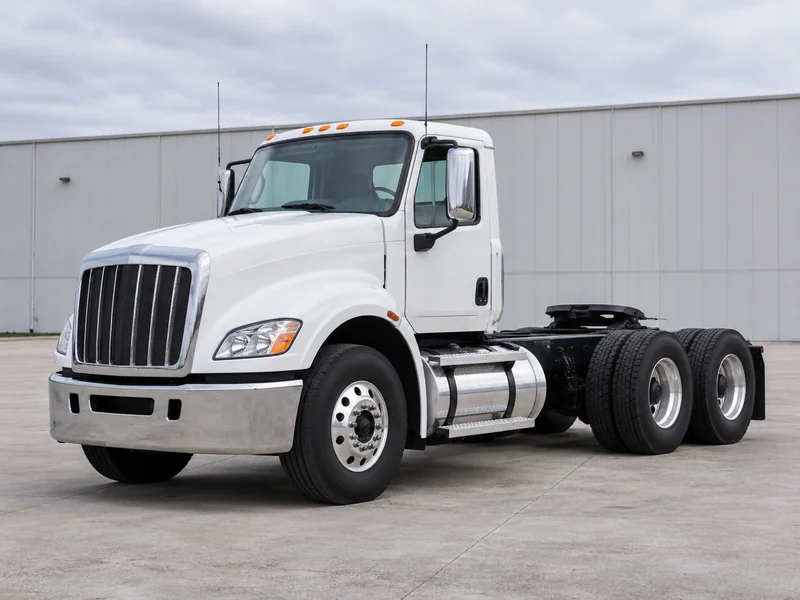 Day cabsRegional routes and daily runs
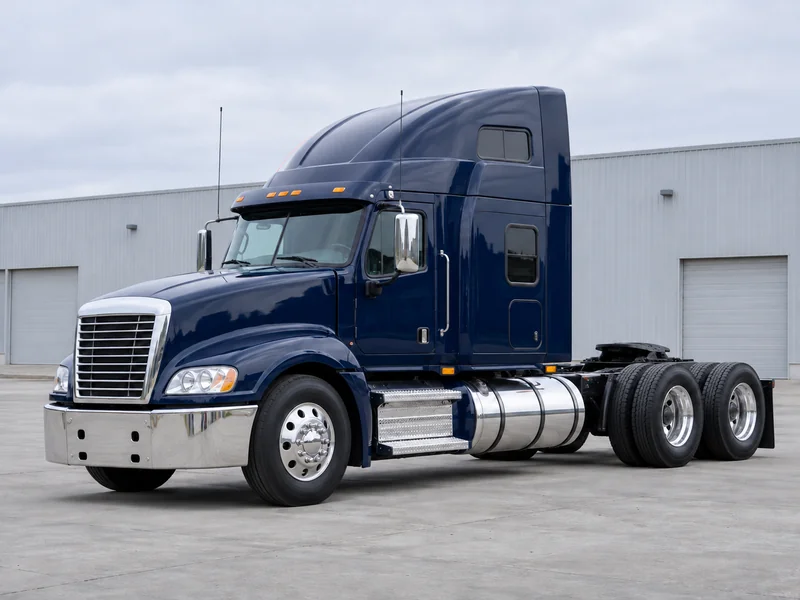 SleepersLong-haul work
 Dump trucksConstruction and heavy hauling
Truck images illustrate each category. See all listed trucks.
Common questions
How many miles is too many on a used semi truck?
There is no single number. Maintenance, engine hours, idle time, the work the truck did and its condition today matter more than the odometer. Judge the specific truck, and have a diesel shop look it over.
What are engine hours?
The total time the engine has run, counted by the engine computer. Hours include idling and power take-off time, which the odometer doesn’t show.
How do I compare engine hours to miles?
Divide the miles by the hours to get an average speed. A low average points to heavy idling or slow, stop-and-go work. It is a way to compare trucks and ask better questions. It is not a pass or fail test.
Is a low-mile truck always the better buy?
No. A low-mile truck can have very high hours, long gaps in its service records or years of sitting. A higher-mile truck with steady highway use and a full file can be the safer choice.
Do miles mean the same thing on a box truck as on a semi?
Generally, no. Class 8 highway engines are built for long service and many can be overhauled. Medium-duty box trucks use smaller engines and often do stop-and-go work. Ask a mechanic who knows that engine.
What should I ask John about a truck’s miles?
Ask what records come with the truck, whether an ECM report is available and how the truck was used. Every inquiry goes to John first, and he has more than 50 years in commercial trucks.