What each part does
Three systems clean up a diesel’s exhaust. They depend on each other, so a fault in one often shows up in another.
| The part | What it does | What goes wrong |
|---|---|---|
| DPF (diesel particulate filter) | Traps soot from the exhaust and burns it off in a process called regeneration. Ash doesn’t burn, so the filter needs cleaning or replacing over time. | It plugs with soot or ash, or it cracks. Watch for regens that come often, a DPF light or low power. |
| DEF (diesel exhaust fluid) | DEF is sprayed into the exhaust ahead of a catalyst. The setup is called selective catalytic reduction, or SCR, and it turns nitrogen oxides into nitrogen and water. | Pumps, heaters, injectors and sensors fail, and poor fluid causes trouble. The truck can cut its own power until the fault is fixed. |
| EGR (exhaust gas recirculation) | Sends some exhaust back through a cooler and into the engine. That lowers combustion temperature and cuts nitrogen oxides. | The valve sticks with soot, or the cooler leaks coolant. |
Generally, on-highway diesel trucks from model year 2007 on have a DPF, and most from 2010 on use DEF. Many engines had EGR before either one. Equipment varies by engine and year, so confirm what the specific truck was built with. The VIN lookup shows the model year and engine details on file.
Warning signs
Some of these you can see on a walk-around. Others you learn by asking the person who drove the truck.
- Lights on the dash
- A DPF, DEF or check engine light is a reason to stop and ask. So is a message that the truck is in reduced power, often called a derate.
- Regens that come too often
- Ask how often the truck calls for a parked regen. A truck that needs one again and again may have a filter full of ash or a problem upstream.
- Smoke or soot at the stack
- A working DPF traps soot, so the stack usually stays clean. Black smoke or a sooty stack can point to a cracked or missing filter.
- White crystals near the DEF parts
- Dried DEF leaves white crystals. Buildup around the lines, the pump or the injector can point to a leak.
- Coolant that goes missing
- Coolant loss with no leak you can see can be a sign of a failing EGR cooler. White exhaust smoke can go with it.
- Parts that look wrong
- A straight pipe where the filter should be, a DEF tank that is missing or unplugged, or blocked EGR piping suggests someone tampered with the system.
What a forced regen and a soot reading tell you
A regen burns the soot out of the DPF. How the truck handles one tells you a lot about the whole system.
- Passive regen
- Happens on its own when the exhaust is hot enough, usually at highway speed.
- Active regen
- Happens while driving, when the engine adds heat to burn the soot.
- Parked or forced regen
- Started on purpose by the driver or a shop, with the truck sitting still.
- Soot load
- The engine computer’s estimate of how full the filter is. A shop with the right diagnostic tool can read it.
How to read the result
Ask the shop that inspects the truck to read the soot load, start a forced regen and watch the temperatures and pressures while it runs. In a healthy system the regen finishes and the soot load drops. If the regen won’t start, won’t finish, or the soot load climbs back quickly, something is wrong. It could be a filter loaded with ash, a bad sensor, or an engine problem that makes too much soot. A regen burns soot only. It doesn’t remove ash.
One good reading doesn’t clear the truck. A regen done just before you arrive can make the numbers look fine for the day, so ask for the regen history and the stored fault codes too. What the tool can show varies by engine maker.
Why a deleted truck is a problem
A delete means the emissions equipment was removed or switched off, often with a tune that hides it from the engine computer.
Section 203 of the federal Clean Air Act, 42 U.S.C. 7522, prohibits removing or disabling the emissions controls on a motor vehicle. It also prohibits selling or installing parts when a principal effect of the part is to defeat those controls. The Environmental Protection Agency enforces the law, and its air enforcement page has more.
- It doesn’t end with the sale
- The equipment is still missing no matter who took it off. Putting it back can fall to you, and it can be expensive.
- Harder to service and sell
- Some shops won’t work on a deleted truck, and some dealers won’t take one in trade.
- States have their own rules
- Some states inspect emissions equipment or have their own tampering laws. If the truck will run in California, ask about CARB rules before you buy.
- The engine’s story gets harder to read
- A tune can hide fault codes and change how the engine runs. That makes the ECM report harder to trust.
This guide is general information and it is not legal advice. Confirm the rules with the EPA and your state before you buy a truck or change anything on one.
What to ask for
Get these before you travel to see the truck, and before any money changes hands.
- The fault codes
- Ask for an ECM report that shows active and stored codes. Look for DPF, DEF, NOx sensor and EGR codes, and note the ones that keep coming back.
- The regen history
- If the engine records it, ask how many regens the truck has logged and when the last one ran.
- The receipts
- DPF cleaning or replacement, DEF pump, injector and sensor work, and EGR valve or cooler work. The date and mileage on each one matter.
- An independent look
- Have a diesel shop with no stake in the sale scan the truck, read the soot load and run a parked regen.
- A statement in writing
- Ask the seller to put in writing that the emissions equipment is in place and working.
- Recalls and coverage
- Ask a dealer for that engine make whether any recall or emissions warranty coverage still applies to the truck.
The buyer’s guide has the inspection checklist for the rest of the truck. Long idle time is hard on a DPF, so read how to judge miles and engine hours as well.
Shop the trucks
Tell John the work you do and the model years you are considering. Every inquiry goes to John first.
 Box trucksLocal delivery and moving
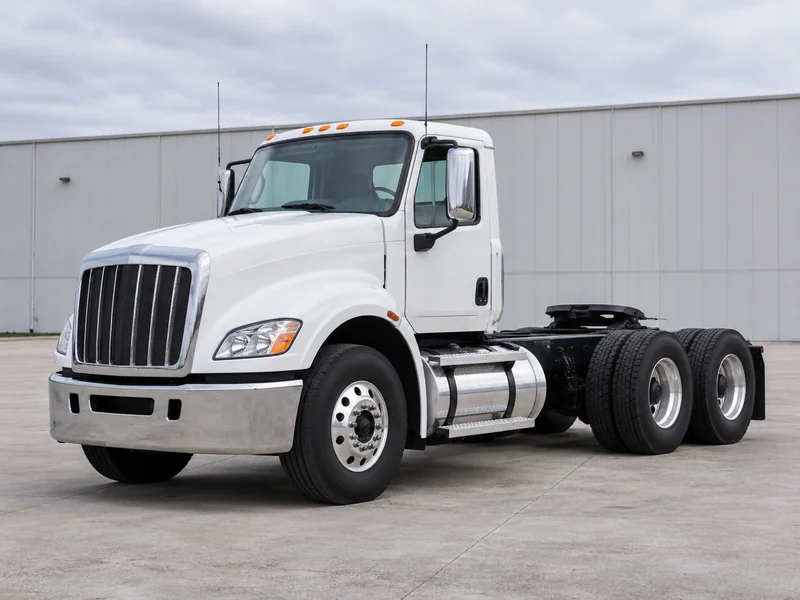 Day cabsRegional routes and daily runs
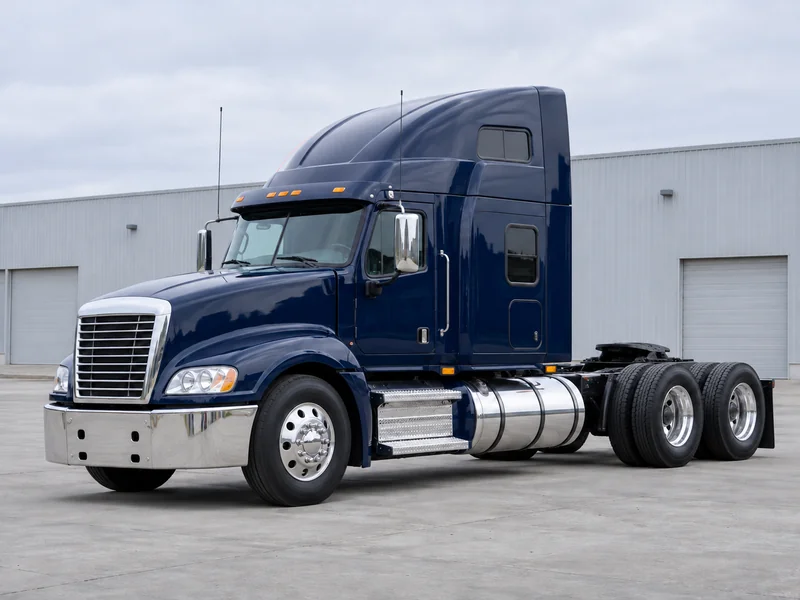 SleepersLong-haul work
 Dump trucksConstruction and heavy hauling
Truck images illustrate each category. See all listed trucks.
Common questions
What does a DPF do?
It traps soot from the exhaust so it doesn’t leave the stack. The truck burns the soot off in a regen. Ash stays behind, so the filter needs cleaning or replacing over time.
What is the difference between DEF and a DPF?
They do different jobs. The DPF is a filter that traps soot. DEF is a fluid sprayed into the exhaust, where a catalyst uses it to cut nitrogen oxides. Many trucks have both.
What is a forced regen?
It is a regen started on purpose with the truck parked, by the driver or by a shop with a diagnostic tool. It raises the exhaust temperature to burn soot out of the DPF. A shop can watch it run to see whether the system is working.
How do I know if the DPF needs cleaning?
Ask a shop to read the soot load and run a parked regen. If regens come often or the reading climbs back quickly, ash may be filling the filter. Engine makers publish cleaning intervals, so ask for the last cleaning receipt and compare.
Is a deleted truck a problem if someone else did the delete?
It can be. Removing or disabling emissions controls is prohibited under section 203 of the federal Clean Air Act (42 U.S.C. 7522), and states can have their own rules. The equipment is still missing no matter who did the work, and the truck can be hard to service, inspect or resell. Confirm with the EPA and your state. This guide is not legal advice.
What should I ask John?
Ask what records come with the truck and whether a shop can look it over before you decide. Every inquiry goes to John first, and he has more than 50 years in commercial trucks.