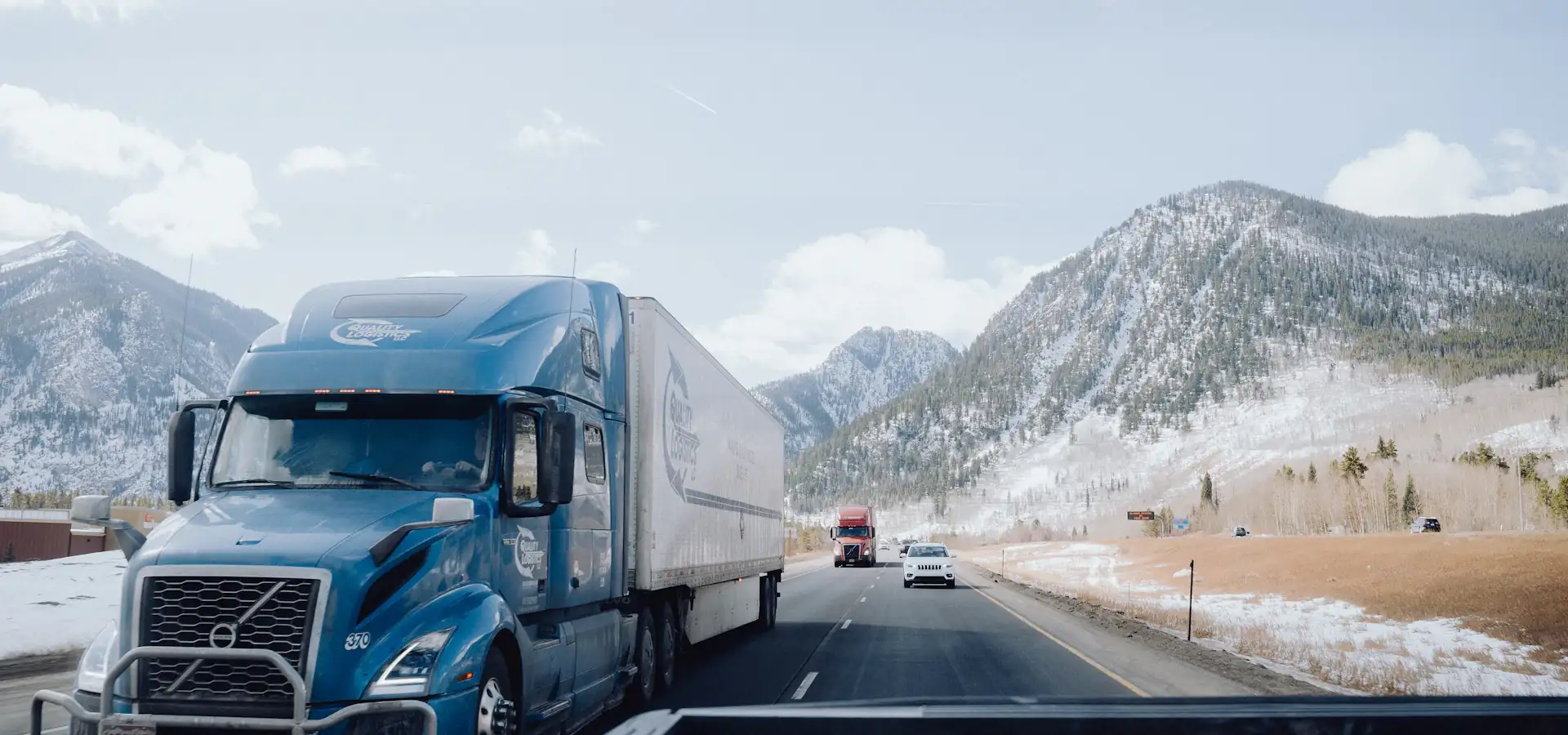
The 26,000-pound line
GVWR decides which side of the line a truck is on. Here is how the federal rule reads for trucks you might buy.
| The truck | Federal CDL rule |
|---|---|
| Rated 26,000 pounds GVWR or less | Generally no CDL, unless it carries placarded hazardous materials or is built for 16 or more people, including the driver. |
| Single truck rated 26,001 pounds GVWR or more | Class B CDL. |
| Combination rated 26,001 pounds or more, towing a trailer rated over 10,000 pounds | Class A CDL. |
What changes the answer
A truck rated 26,000 pounds or less is usually the simple case. These are the ones to watch.
- Placarded hazardous materials
- A truck of any size hauling hazardous materials that require placards falls under the CDL rules.
- Built for 16 or more people
- The count includes the driver. It rarely comes up on a box truck, but it is part of the rule.
- Loading past the rating
- The federal definition goes by the rating or the actual weight, whichever is greater. A heavy load can put a truck over the line.
- Pulling a trailer
- A trailer rated over 10,000 pounds can move a combination into Class A. Tell your state agency what you plan to tow.
Where to find the GVWR
Open the driver’s door and look for the label on the door or the door jamb. The GVWR is printed there in pounds.

The rating and the weight are two different numbers
GVWR is the rating the manufacturer set for that truck. Actual weight is what the truck weighs today, with today’s load. Go by the label when you shop, and watch the load when you work. Box length won’t tell you either one.
When a listing shows a GVWR, it appears in the specs. If it isn’t there, ask John for a photo of the label before you decide.
Check your state before you buy
States can add requirements on top of the federal rule. Ask your state licensing agency about the truck and the work you have planned, and do it before money changes hands.
The Federal Motor Carrier Safety Administration has the federal background on its commercial driver’s license page, and the definitions are in 49 CFR 383.5.
This guide is general information and it is not legal advice. Rules change, and they can differ by state and by the work you do.
Shop box trucks
Tell John the GVWR you need, the box length and what you haul. He will tell you straight what he can find.
 Box trucks for saleSee what is listed today.
 All used trucksBox trucks, day cabs, sleepers and dump trucks.
Truck images illustrate each category.
Common questions
Can I drive a 26-foot box truck without a CDL?
It depends on the rating on that truck. Many 26-foot box trucks are rated at 26,000 pounds GVWR or less, and some are rated higher. Box length doesn’t tell you. Read the door-jamb label on the actual truck.
What does GVWR mean?
Gross vehicle weight rating. It is the most the truck is rated to weigh when loaded, counting the truck, the cargo, the fuel and the people in it. The manufacturer sets it, and it is printed on the label on the driver’s door or door jamb.
Is GVWR the same as what the truck weighs?
No. GVWR is a fixed rating. Actual weight changes with every load. The federal definition goes by the rating or the actual weight, whichever is greater, so a truck loaded past 26,000 pounds can cross the line even with a lower number on the label.
Is a Class 6 truck the same as a Class B license?
No. Class 6 is a truck weight class, covering 19,501 to 26,000 pounds GVWR. Class B is a type of commercial driver’s license. A listing that says Class 7 has a GVWR of at least 26,001 pounds.
What about pulling a trailer?
A trailer can change the answer. A combination rated at 26,001 pounds or more, towing a trailer rated over 10,000 pounds, falls under Class A. If you plan to tow, ask your state before you buy.
Who can tell me for sure?
Your state licensing agency. The federal rule is the starting point and states can add requirements. This guide is general information and it is not legal advice.