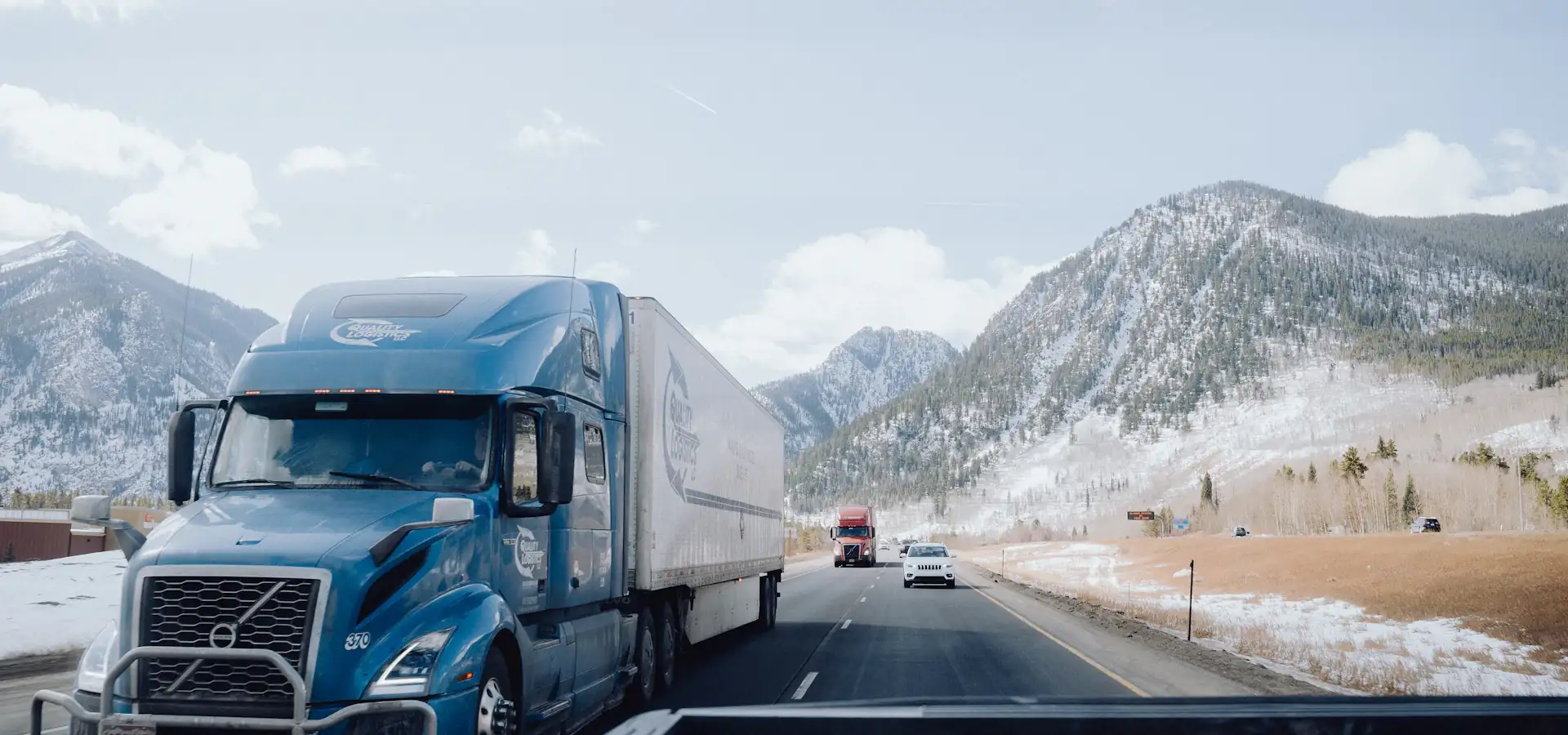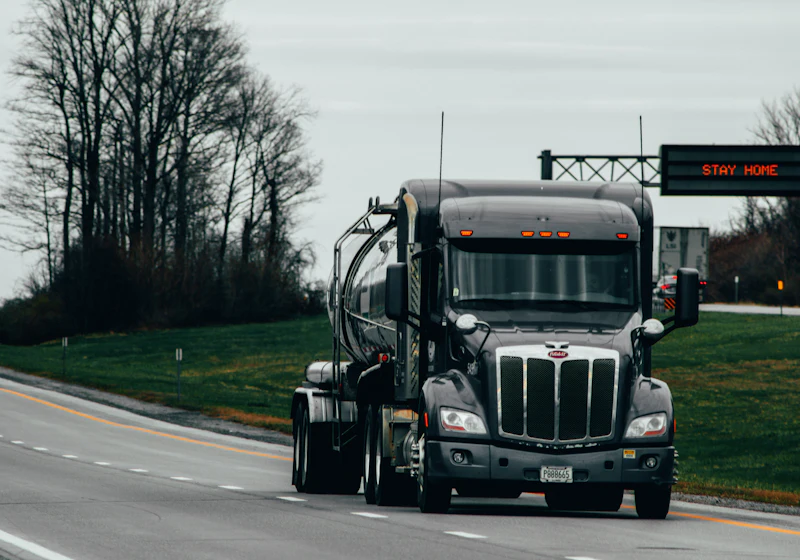

Side by side
Every truck is its own case, so read this as a starting point.
| What to weigh | Day cab | Sleeper |
|---|---|---|
| Route | Local and regional runs, with the driver back at the yard. | Long-haul lanes, where the run lasts more than a day. |
| Nights away | Home most nights. | Out for days, and the bunk is where the driver sleeps. |
| Weight | Less truck, so more of your legal weight can go to freight. | The sleeper and the longer frame add weight the truck carries every mile. |
| Wheelbase | Often shorter, which helps in tight yards and at docks. | Usually longer, to make room for the sleeper. |
| Cost | No bunk, climate setup or auxiliary power to buy or keep up. | More equipment to pay for and maintain, set against what you’d spend on rooms. |
Route and nights away
Start with where the truck goes and where the driver sleeps.
- Day cab: match the route.
- Daily mileage, terrain, stop frequency and typical loads help narrow the right engine, gearing and transmission.
- Sleeper: plan for your lanes.
- Terrain, average loads, mileage and trailer needs help define the powertrain and axle configuration worth considering.
The rest the driver has to get
Under the federal hours-of-service rules, a property-carrying driver needs 10 consecutive hours off duty before driving again. On a run that lasts more than a day, those hours happen somewhere. With a sleeper that can be the bunk. With a day cab it is a room, or you plan the run so the driver gets home.
If the driver will live in the truck, the details matter: sleeper size, bunk layout, storage, climate control and auxiliary power are worth checking before you buy.
Weight and wheelbase
A sleeper is more truck. That has a cost in payload and in how the truck fits where you work.
- Weight
- The sleeper and the longer frame add weight the truck carries all the time, and it comes out of what you can legally haul. If you run near your weight limit, ask for the empty weight on the specific truck.
- Wheelbase
- A shorter wheelbase helps in tight yards and at docks. A longer one gives room for the sleeper. Wheelbase, axle setup, fifth-wheel position and trailer compatibility deserve a closer look. Bring the details of what you haul.
Cost
Prices move with the truck and the market, so this guide doesn’t quote numbers. Compare specific trucks, then run your own.
Shop the trucks
Tell John what you haul. Discuss maintenance records, engine hours, idle time and emissions-system service. Arrange an inspection of the specific truck.
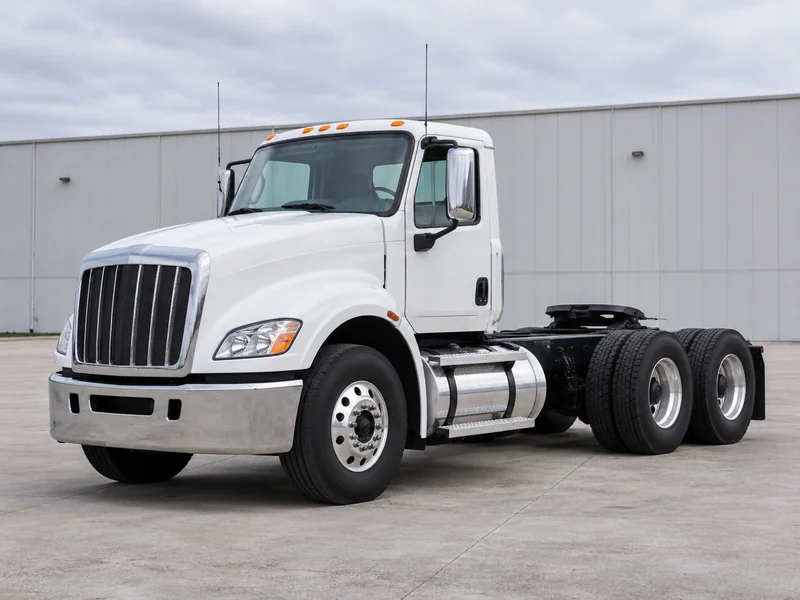
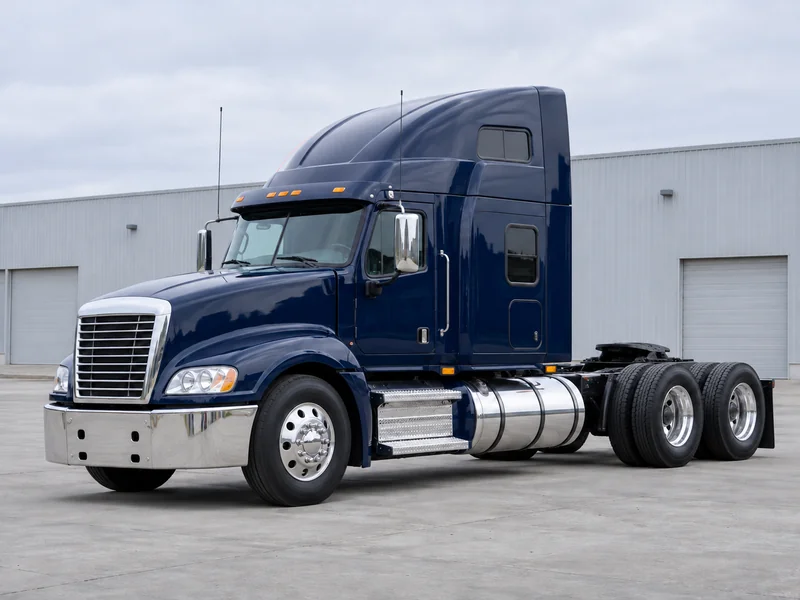
Truck images illustrate each category. See all listed trucks, or read the buyer’s guide before you go look at one.
Common questions
What is the main difference between a day cab and a sleeper?
A day cab has no bunk behind the seats. A sleeper does, so the driver can rest in the truck. Most of the other differences come from that one.
Can a day cab run over the road?
It can, but the driver still needs rest somewhere. Under the federal hours-of-service rules, a property-carrying driver needs 10 consecutive hours off duty before driving again. In a day cab, that means a room or a trip home.
Can a sleeper do day cab work?
Yes. You carry the extra weight and length every day, and you may have paid for equipment you won’t use. Whether that matters depends on the work.
Which one costs less?
It depends on the truck, its age and how it is equipped, so this guide doesn’t quote a number. Compare specific trucks, then run your own figures in the cost per mile and truck payment tools.
What should I tell John?
Your route, how many nights you are out, your trailer, your typical loads and your budget. John will talk through what fits and what doesn’t.