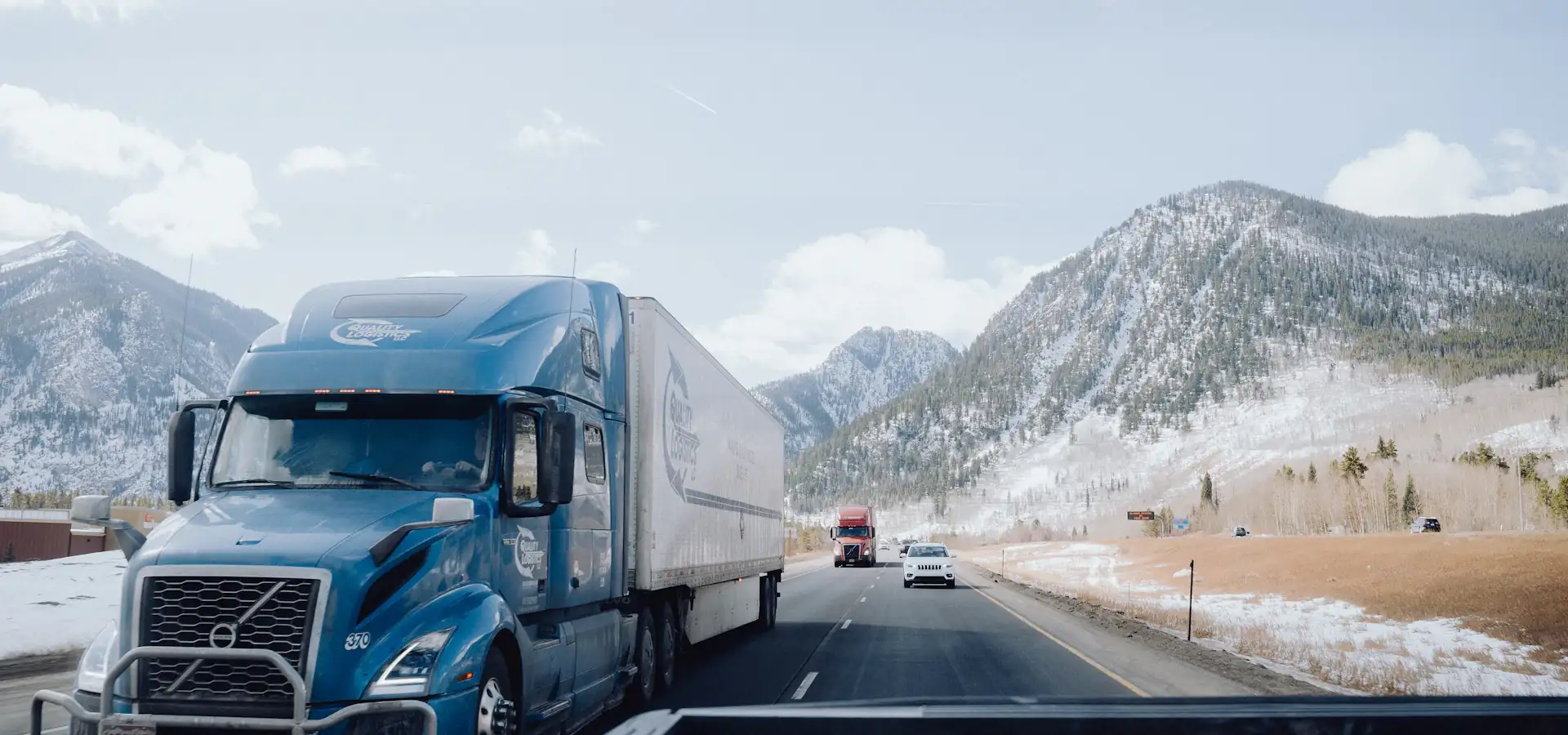
The body and floor
Rock, asphalt and demolition wear a body from the inside out.
- Floor wear
- Look for thin spots, patches, holes and a floor that has worn into waves. Tap it with a hammer where it looks thin.
- Sides and seams
- Bulged sides, cracked welds and rust along the seams and the crossmembers under the floor.
- Tailgate
- Worn hinge pins, a latch that doesn’t lock tight, and a gate that has been bent. Work it open and shut.
- Tarp
- Run the tarp system all the way out and back. Check the arms, the roller and the tarp itself.
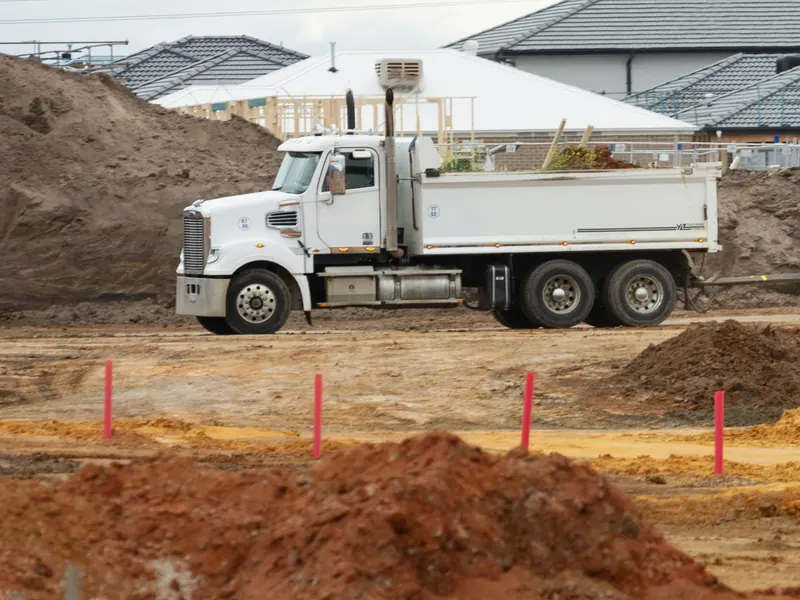
The hoist and hydraulics
Run the hoist yourself, with the truck parked on level ground.
| Check | What you are looking for |
|---|---|
| Raise it all the way, empty | Smooth, steady travel with no jerks or stalls. Listen at the pump while it works. |
| Stop it halfway | The body should hold where you stopped it. If it creeps down, the cylinder or a valve is leaking inside. |
| Look at the cylinder | Oil at the seals, pitted or scored chrome, and bent or worn mounting pins. |
| Follow the hoses | Wet fittings, cracked or rubbed hoses, and the condition of the hydraulic tank and the fluid. |
| Work the PTO | It should engage and release cleanly, without grinding, and the dash light should match. |
Stay out from under a raised body
Never reach or climb under a raised dump body unless it is held up by its body prop or safety stand. A hydraulic leak can bring it down without warning.
The frame and subframe
Dumping on uneven ground twists the body and the frame under it.
- At the hoist and hinge
- Look for cracks and fresh welds where the hoist mounts and at the rear hinge. These spots carry the whole load when the body goes up.
- Twist and sag
- Sight down the frame rails from the back. Raise the body and see whether it lifts straight or leans.
Axles and suspension
The axle setup decides how much you can haul, so match it to your work and your state.
- Lift axles
- On a tri-axle or a truck with pusher axles, raise and lower each one. It should hold air and carry its share when down.
- Ratings
- Read the GVWR and the axle ratings on the door label. They, the axle spacing and your state’s limits set your legal payload.
- Suspension
- Worn bushings in walking beam or spring suspensions, broken leaves and leaking air bags.
- Tires
- Cuts and chunks from job sites, mismatched duals and uneven wear that points to alignment or a bent axle.
Most tandem and tri-axle dump trucks need a CDL to drive. Confirm the rating and your state’s rules. The DOT annual inspection guide covers the safety inspection.
Hours and records
Low miles are normal on a dump truck. The engine hours tell the real story.
- Engine and PTO hours
- Many ECM reports split out PTO time. See miles and engine hours for how to read them.
- Body and hoist work
- Ask whether the floor was replaced, the hoist resealed or the body swapped, and when.
The buyer’s guide has the full checklist for the engine, the records and the title. See dump trucks or all listed trucks.
Common questions
What should I check first on a used dump truck?
The body floor, the hoist and the frame under the body. A worn floor or a leaking hoist is expensive, and frame damage from lifting on uneven ground is hard to fix right.
Why does a dump truck have low miles and high hours?
It spends much of the day idling, loading and running the hoist off the PTO. That is normal for the work. Read the hours and the PTO time on the ECM report next to the miles.
Do I need a CDL to drive a dump truck?
Most tandem and tri-axle dump trucks are rated over 26,000 pounds GVWR, so the driver needs a commercial license. Check the rating on the door label and confirm with your state.
How much can a used dump truck legally carry?
It depends on the axle ratings, the spacing between the axles and the rules where you haul. Interstates follow the federal bridge formula, and states set their own limits on other roads. Ask your state before you count on a payload.
Steel or aluminum body?
Aluminum weighs less, so you can carry more. Steel takes rough loads like rock and demolition better. Check welds on aluminum for cracks and steel floors for thin spots and rust.
Can John help me find a dump truck?
Yes. Tell John the material you haul, the axle setup you want and your budget. He finds trucks through people he has known for decades.